





Director – Neurosurgery
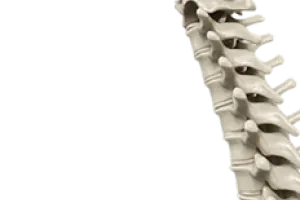
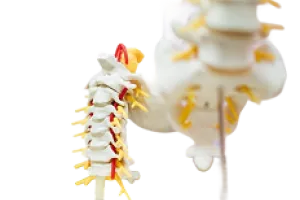
Spinal cord injury (SCI) results from trauma, tumour, infection, or vascular insult to the spinal cord, causing motor, sensory, and autonomic dysfunction below the level of injury. Complete SCI causes total loss of function below the injury level; incomplete SCI preserves some function. Emergency management aims to prevent secondary injury through careful immobilisation, blood pressure optimisation, and timely surgical decompression and stabilisation where indicated. At Medanta Hospital, Sector 50, Noida, Team Sushrut provides emergency SCI management and coordinates rehabilitation from the acute admission.
Symptoms
Treatments
Dr. Yashpal Singh Bundela
Director – Neurosurgery, Functional Neurosurgery and Spine Surgery
M.Ch

Dr. Anil Dhar
Associate Director – Neurosurgery and Stereotactic Radiosurgery
M.Ch.

Dr. Manish Vaish
Director and Head - Neurosciences
DNB. AANS International Fellow

Dr. Dipanshu Narula
Senior Consultant – Neurosurgery and Neurotrauma
M.Ch

Is surgery always needed for spinal cord injury?
Not always. Neurologically intact patients with stable spinal fractures may be managed with immobilisation and close monitoring. Surgery (decompression and stabilisation) is indicated when: there is neurological deficit attributable to bone or disc compressing the cord, the fracture is unstable, or neurological worsening occurs. Dr. Bundela, Dr. Vaish, Dr. Dhar and Dr. Narula and other team members at Team Sushrut determine surgical candidacy based on injury type and neurological status.
Can spinal cord injury recover?
Recovery depends on injury completeness. Complete SCI has limited spontaneous recovery, though partial return of function is possible with rehabilitation. Incomplete SCI has significantly better recovery — some patients with anterior cord, central cord, or Brown-Séquard syndrome achieve useful functional recovery with early, intensive rehabilitation. Neuroprotective strategies and rehabilitation maximise natural recovery.
What is central cord syndrome?
Central cord syndrome is the most common incomplete SCI pattern, typically occurring in older adults with cervical spondylosis following a hyperextension injury. It disproportionately affects the arms more than the legs, with variable bladder dysfunction. It has the best prognosis of all incomplete SCI syndromes — most patients regain independent walking. Surgical decompression is advisable for patients with cervical cord compression.
What is neurogenic bladder?
Neurogenic bladder is bladder dysfunction caused by spinal cord or nerve injury — causing inability to voluntarily empty the bladder (urinary retention) or uncontrolled bladder contractions (incontinence). Management includes intermittent clean catheterisation, anticholinergic medication, and in some cases, urological procedures. Dr. Singhal's neurology team at Team Sushrut assists in coordinating neurogenic bladder management after SCI.


